
50 Essential AWS Solution Architect Interview Questions & Expert Answers
 Rishabh Jain5 min read
On this page
3 Key Takeaways
• Comprehensive AWS Topics Coverage: Familiarize yourself with the 50 most essential AWS Solution Architect interview questions, covering key areas like cloud architecture, security, networking, and cost optimization.
• Expert-Approved Answers: Learn how to craft expert-approved answers that showcase your deep understanding of AWS services, best practices, and architectural design patterns, helping you stand out as a top candidate.
• Real-World Scenarios and Solutions: Discover how to approach real-world scenarios often presented in AWS Solution Architect interviews, including designing scalable solutions, managing high availability, and ensuring disaster recovery.
Introduction
Getting through an AWS Solution Architect interview can be tough, but if you prepare well, you’ll have a much better shot at landing the job. This guide breaks down 50 key AWS Solution Architect interview questions, expert answers, and tips to help you shine. Whether you want to work at Amazon or another big tech company, this blog will help you in AWS Solution Architect interview preparation and cracking it.
Understanding the AWS Solution Architect Role
The job of an AWS Solution Architect plays a key role in designing, implementing, and overseeing complex cloud setups. You will make sure apps can grow, stay safe, and save money. This job needs you to know a lot about different AWS services, the best ways to build cloud systems, and how to turn what businesses need into cloud answers that work well and grow. To get a better idea of how to do well in this job, you might find this guide on acing your Amazon interview helpful.
Top AWS Solution Architect Interview Questions

Technical Questions
What is Amazon EC2, and how does it differ from traditional servers?
Answer: Amazon EC2 (Elastic Compute Cloud) can resize compute capacity in the cloud letting companies adjust resources based on their needs. Unlike regular servers, EC2 instances are virtual, which gives them more flexibility and makes them cost-effective. To learn more about EC2 and other cloud services, check out resources like AWS Training.Explain the concept of S3 buckets and their use cases.
Answer: Amazon S3 (Simple Storage Service) is an object storage service that provides top-notch scalability, data availability, security, and performance. People use it to back up and restore data archive information, and serve static content. To see S3 in action, take a look at A Cloud Guru’s courses.What’s the goal of Amazon VPC, and how does it operate?
Answer: Amazon Virtual Private Cloud (VPC) lets you set up a separate part of the AWS cloud where you can start AWS resources in a network you create. Getting to grips with VPC is key for any AWS Solution Architect, as our Ultimate Guide to the Amazon Interview points out.How are RDS and DynamoDB different?
Answer: Amazon RDS (Relational Database Service) manages relational databases. It supports engines like MySQL, PostgreSQL, and SQL Server. DynamoDB is a managed NoSQL database service. It offers performance in single-digit milliseconds no matter the scale.What’s the process to keep data safe at rest and in transit on AWS?
Answer: You can protect data at rest by using encryption tools like AWS Key Management Service (KMS). To keep data safe in transit, you can use SSL/TLS protocols. To learn more about safety best practices, check out AWS Security Fundamentals.
Behavioral Questions
Can you tell me about a tough project where you had to put a complex AWS solution into action?
Answer: Talk about a project that tested you, the AWS services you used, and how you managed to deliver the solution. It’s crucial to mention your part in the project and how you made sure it succeeded. For more tips, you might want to check out our blog on Amazon Leadership Principles Interview Questions.How do you prioritize tasks when working on multiple projects with tight deadlines?
Answer: Talk about how you manage your time and set priorities. You might mention tools like AWS Project Management or Agile Methods. Being able to handle your time well matters a lot in high-pressure places like Amazon. You can learn more about this in Why Amazon Careers Are a Gateway to Success.Tell me about a time when you had to explain a tricky tech idea to someone who wasn’t tech-savvy.
Answer: Show how you can break down complex ideas while making sure the person understands why the project matters and what it means. This skill is key for any architect job, as we talk about in our blog on The Top STAR Interview Questions.How do you stay updated with the latest AWS services and best practices?
Answer: Talk about your dedication to learning non-stop through AWS certifications watching webinars, checking out AWS blogs, and joining in on community discussions like AWS Developer Forums.
Situational Questions
How would you deal with a situation where an AWS service goes down during a key business operation?
Answer: Talk about your plan to implement disaster recovery, use multi-region deployments, and keep downtime to a minimum through AWS Auto Scaling and Load Balancing. Handling these cases well is crucial, as our blog on Nailing Your Amazon Interview explains in detail.You need to move an old system to AWS. How would you make sure the migration goes smoothly?
Answer: Map out the steps: check what you have, make a plan, move it over, and test it. Mention tools like AWS Migration Hub and AWS Snowball that help with this move. Good moving strategies matter a lot if you want to be an AWS Solution Architect.How can you make an AWS setup cheaper without making it slower?
Answer: Talk about ways like picking the right size for instances, using Reserved Instances setting up Auto Scaling, and using AWS Trusted Advisor to cut costs. Knowing how to manage costs is key when you’re dealing with big AWS setups.
Essential AWS Solution Architect Interview Questions
General AWS Solution Architect Interview Questions
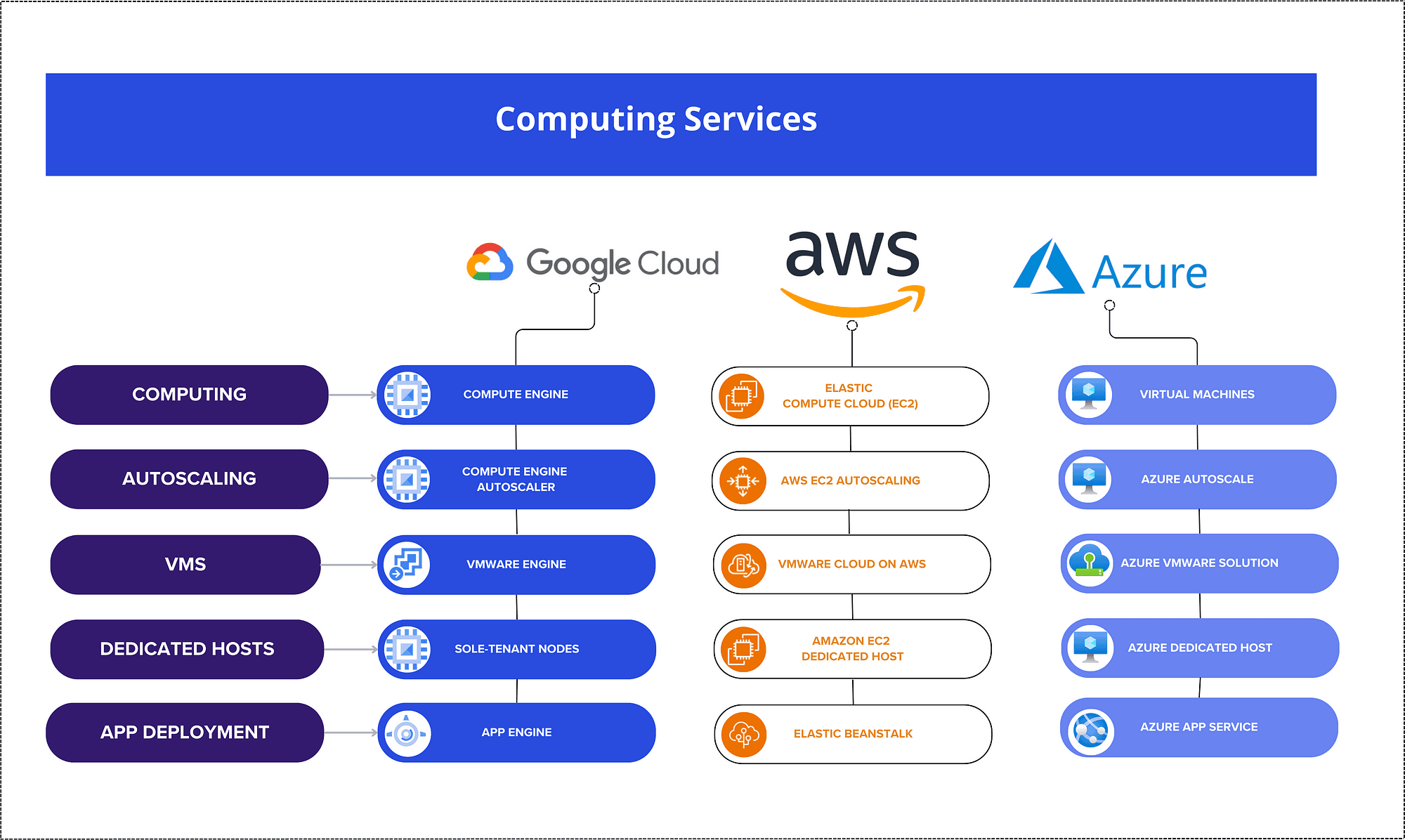
What is AWS, and how does it differ from other cloud service providers?
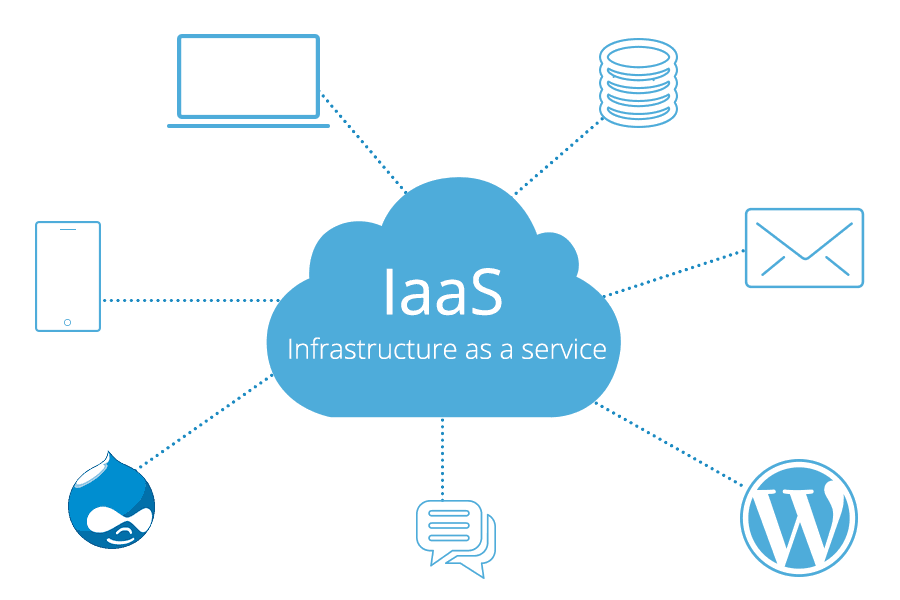
Explain the concept of Infrastructure as a Service (IaaS).
What are the key services provided by AWS?

How does AWS pricing work?
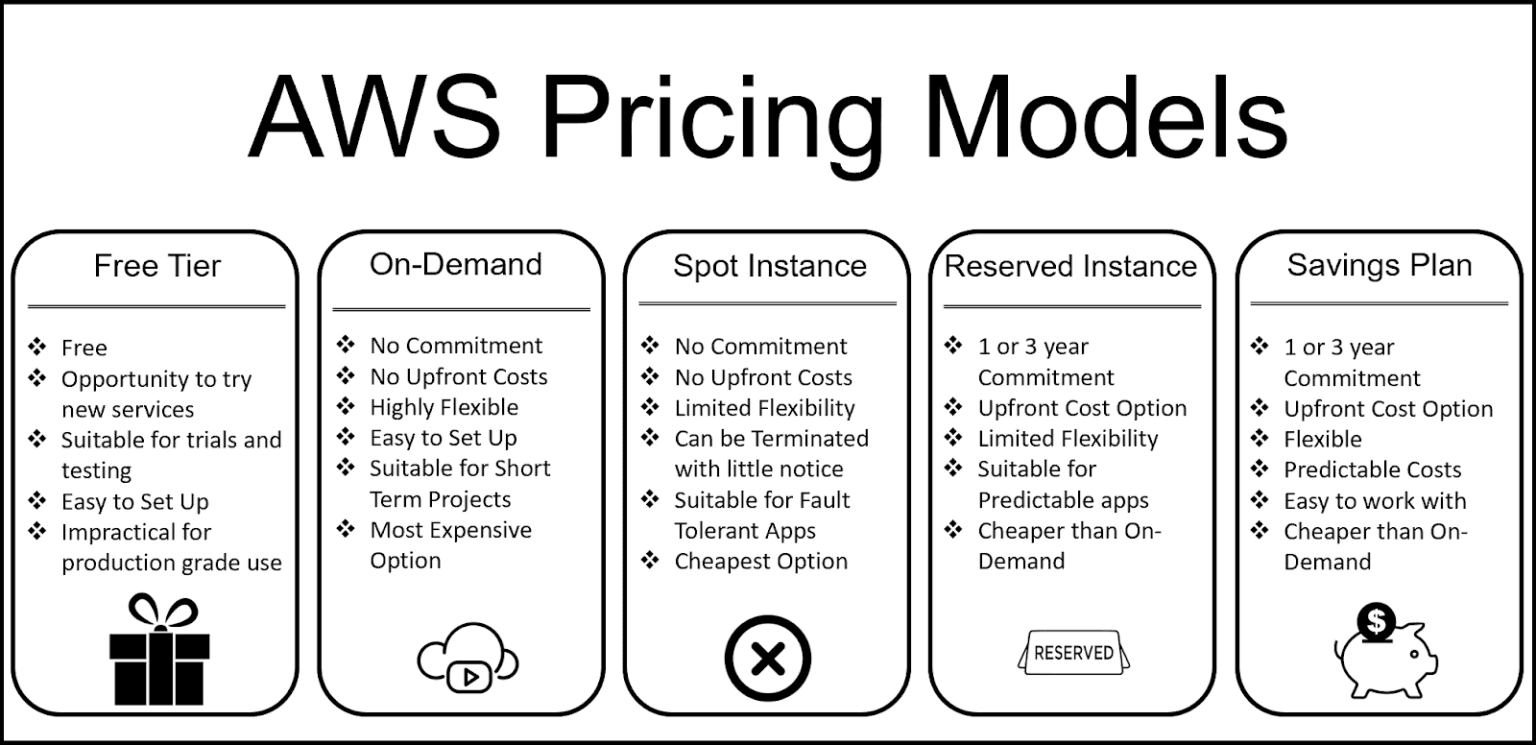
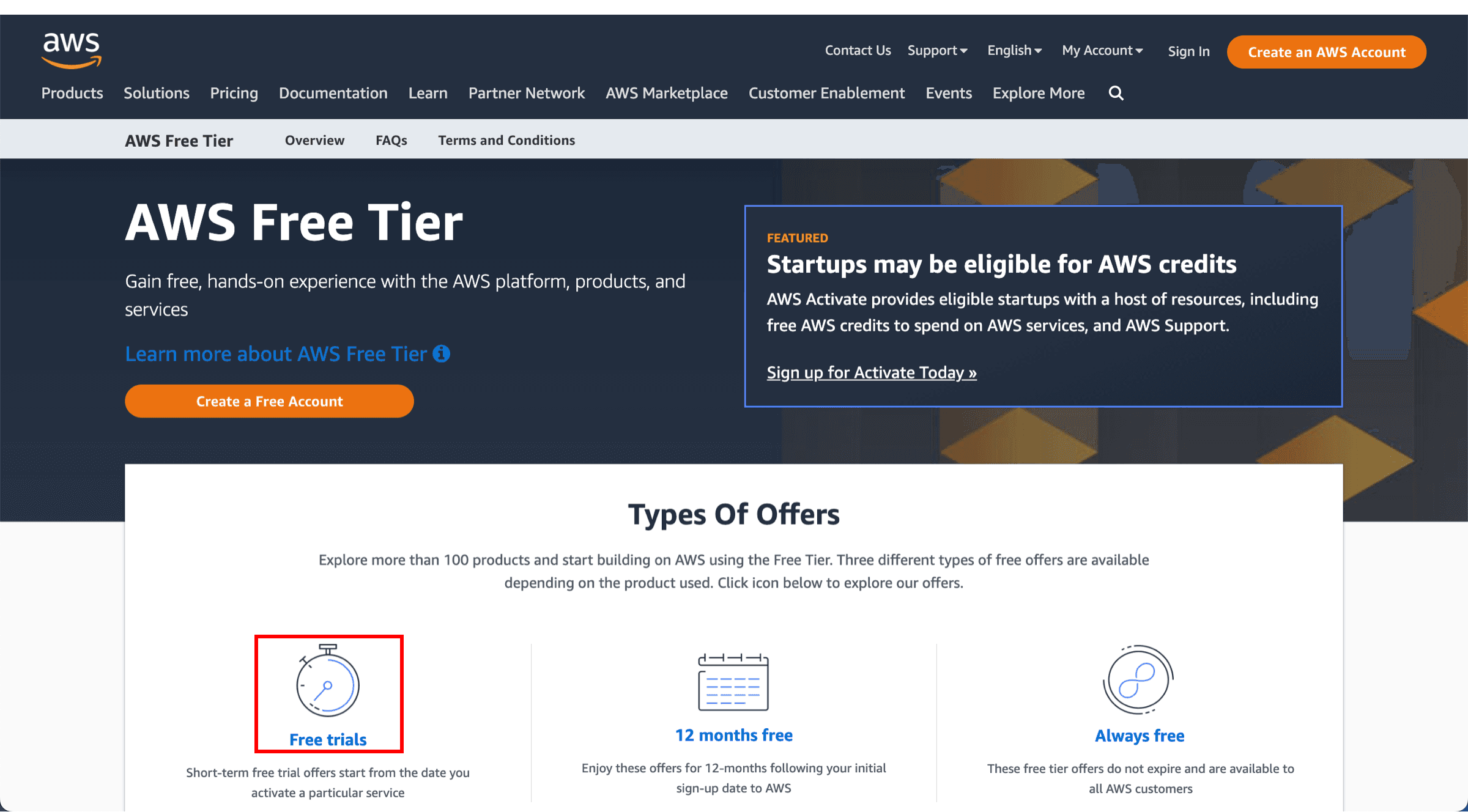
What is the AWS Free Tier?
Describe the AWS Global Infrastructure.
What is the difference between AWS Regions and Availability Zones?
How do you determine which AWS Region to choose?
What is AWS Identity and Access Management (IAM)?
Explain the concept of “least privilege” in IAM.
How do you create and manage users in AWS IAM?
What are AWS IAM roles, and how do they differ from users?
What are security groups, and how do they work in AWS?
Explain the concept of Amazon Elastic Compute Cloud (EC2).
What are the different types of EC2 instances?
How do you resize an EC2 instance?
What is an Amazon Machine Image (AMI)?
How does EC2 Auto Scaling work?
What is Elastic Load Balancing (ELB)?
How do you monitor an EC2 instance’s performance?
Advanced AWS Solution Architect Interview on AWS Services
What is Amazon Simple Storage Service (S3)?
Explain S3 storage classes and their use cases.
How do you secure data stored in S3?
What is Amazon Glacier, and when should it be used?
Explain the concept of Amazon RDS.
What are the supported database engines in Amazon RDS?
How do you back up and restore a database in RDS?
What is Amazon DynamoDB?
How does DynamoDB differ from RDS?
What is Amazon Redshift?
Describe the use cases for Amazon Redshift.
What is Amazon CloudFront?
How does CloudFront work with S3?
What is AWS Lambda, and how does it differ from traditional servers?
Explain the concept of Serverless architecture.
What is Amazon API Gateway?
How do you secure APIs with Amazon API Gateway?
What is Amazon Elastic Kubernetes Service (EKS)?
How does EKS differ from Amazon Elastic Container Service (ECS)?
Explain the concept of AWS Fargate.
AWS Solution Architect Interview Questions on Security, Monitoring, and Compliance
What is AWS CloudTrail?
How do you monitor resources with Amazon CloudWatch?
Explain the concept of AWS Config.
What is AWS Shield, and how does it protect against DDoS attacks?
How does AWS Key Management Service (KMS) work?
What is Amazon Inspector?
Explain the concept of AWS Trusted Advisor.
What is the AWS Well-Architected Framework?
How do you ensure compliance with AWS security best practices?
How do you perform a security audit in AWS?
Scenario-Based AWS Solution Architect Interview Questions
Senior interviews lean heavily on scenarios: the interviewer describes a situation and wants to hear how you reason about trade-offs, not a list of service names. For each scenario below, the note under the question says what the interviewer is actually testing, followed by the shape of a strong answer.
1. Design a highly available web application for a sudden traffic spike.
What they are testing: fault isolation and elasticity.
Strong answer: put an Application Load Balancer in front of an Auto Scaling group spread across at least two Availability Zones, keep the app tier stateless (sessions in ElastiCache or DynamoDB), run the database as RDS Multi-AZ or Aurora, serve static assets from S3 through CloudFront, and use Route 53 health checks. Mention scaling policies based on request count or CPU, and pre-warming or scheduled scaling for predictable spikes.
2. The business needs an RTO of one hour and an RPO of 15 minutes. What disaster recovery strategy do you choose?
What they are testing: whether you can map business requirements to one of the four DR strategies (backup and restore, pilot light, warm standby, multi-site active/active) and justify the cost.
Strong answer: backup and restore usually cannot meet a one-hour RTO, so choose pilot light or warm standby in a second region. Replicate data continuously (Aurora Global Database or a cross-region read replica you can promote, S3 Cross-Region Replication, AWS Backup copies), keep infrastructure in code so it can be scaled up quickly, and use Route 53 failover routing. Close by saying you would test the failover on a schedule.
3. The monthly AWS bill jumped 40% with no new launches. How do you investigate?
What they are testing: cost governance habits.
Strong answer: break the bill down in Cost Explorer by service, account, and tag; check Cost Anomaly Detection; look for common culprits such as NAT Gateway data processing, cross-AZ or internet data transfer, unattached EBS volumes, idle load balancers, and forgotten dev environments. Then prevent a repeat with AWS Budgets alerts, mandatory cost-allocation tags, Compute Optimizer rightsizing, Savings Plans for steady workloads, and S3 lifecycle policies.
4. The application slows down whenever the database is under heavy read load.
What they are testing: diagnosing before scaling.
Strong answer: start with RDS Performance Insights to find the expensive queries and missing indexes, then add a caching layer (ElastiCache) for hot reads, add read replicas and route read traffic to them, and use RDS Proxy if many short-lived connections (for example from Lambda) are exhausting the connection pool. If the access pattern is simple key-value lookups at very high scale, discuss whether DynamoDB is a better fit.
5. How would you secure a three-tier application?
What they are testing: defense in depth.
Strong answer: a VPC with the load balancer in public subnets and the app and database tiers in private subnets; security groups that reference each other so only the app tier can reach the database; IAM roles instead of long-lived access keys; secrets in Secrets Manager; encryption at rest with KMS and in transit with TLS certificates from ACM; AWS WAF on the load balancer or CloudFront; and CloudTrail, GuardDuty, and Security Hub for detection.
6. Migrate an on-premises application to AWS with minimal downtime.
What they are testing: migration strategy and sequencing.
Strong answer: classify each workload with the 7 Rs (retire, retain, rehost, relocate, repurchase, replatform, refactor), rehost servers with AWS Application Migration Service, and move databases with AWS Database Migration Service using ongoing replication (change data capture) so the cutover window is minutes. Use DataSync or Snowball for large file sets, run the new environment in parallel, and cut over with a lowered DNS TTL and a rollback plan.
7. An order-processing service fails during flash sales. How do you make it resilient?
What they are testing: decoupling and back-pressure.
Strong answer: put an SQS queue between the front end and the processor so spikes are absorbed instead of dropped, scale consumers (Lambda or ECS) on queue depth, add a dead-letter queue for poison messages, and make processing idempotent so retries are safe. Use SNS or EventBridge if several downstream services need the same event.
8. Instances in a private subnet need to read from S3 without going over the internet.
What they are testing: VPC networking and cost awareness.
Strong answer: add a gateway VPC endpoint for S3 (it has no hourly charge and avoids NAT Gateway data processing costs), then restrict the bucket policy with the aws:SourceVpce condition so the bucket is only reachable through that endpoint. For other services, use interface endpoints (AWS PrivateLink).
Scenario questions reward structure: restate the requirement, name the constraint that drives the design (availability, cost, latency, compliance), propose the architecture, then state the trade-off you accepted. Practicing that out loud is the fastest way to get fluent; Interview Sidekick runs AI mock interviews that ask follow-up questions and grade your answers, with a free tier that needs no credit card.
Common Pitfalls and How to Avoid Them

Not being ready for scenario-based AWS architect questions: Get familiar with real-world scenarios to be prepared. Our Guide to Amazon Interviews gives more advice.
Not paying attention to security best practices: Make sure you can talk about how you keep AWS environments safe, as employers care a lot about security.
Not thinking about cost-saving methods: Showing you know how to use AWS cost management tools and strategies can make you stand out from other job seekers.
Tips to Ace the AWS Solution Architect Interview
Preparation Strategies: Take part in practice interviews and role-playing to sharpen your answers. Our blog on Acing Your Amazon Interview offers useful tips to get ready.
Understanding the AWS Well-Architected Framework: Get to know the AWS Well-Architected Framework. This knowledge is key to designing reliable, secure, productive, and budget-friendly systems.
Continuous Learning and Certification Renewal: Keep your AWS knowledge fresh by taking courses on sites like AWS Training, Simplilearn, and A Cloud Guru. This helps you stay in the loop with the newest AWS offerings.
Conclusion
To ace the AWS Solution Architect interview, you need a mix of technical know-how, hands-on experience, and good communication skills. This guide gives you questions and tips to help you prepare. You’ll also find useful info in Mastering Your Amazon Interview and The Ultimate Guide to Amazon Interviews. These resources can help you get closer to landing your ideal job.
Remember, preparation is crucial. Make the most of this guide, check out the mentioned resources, and keep improving your skills to boost your chances of success. Best of luck!